
Where to Buy Furniture in Tokyo as a Foreigner
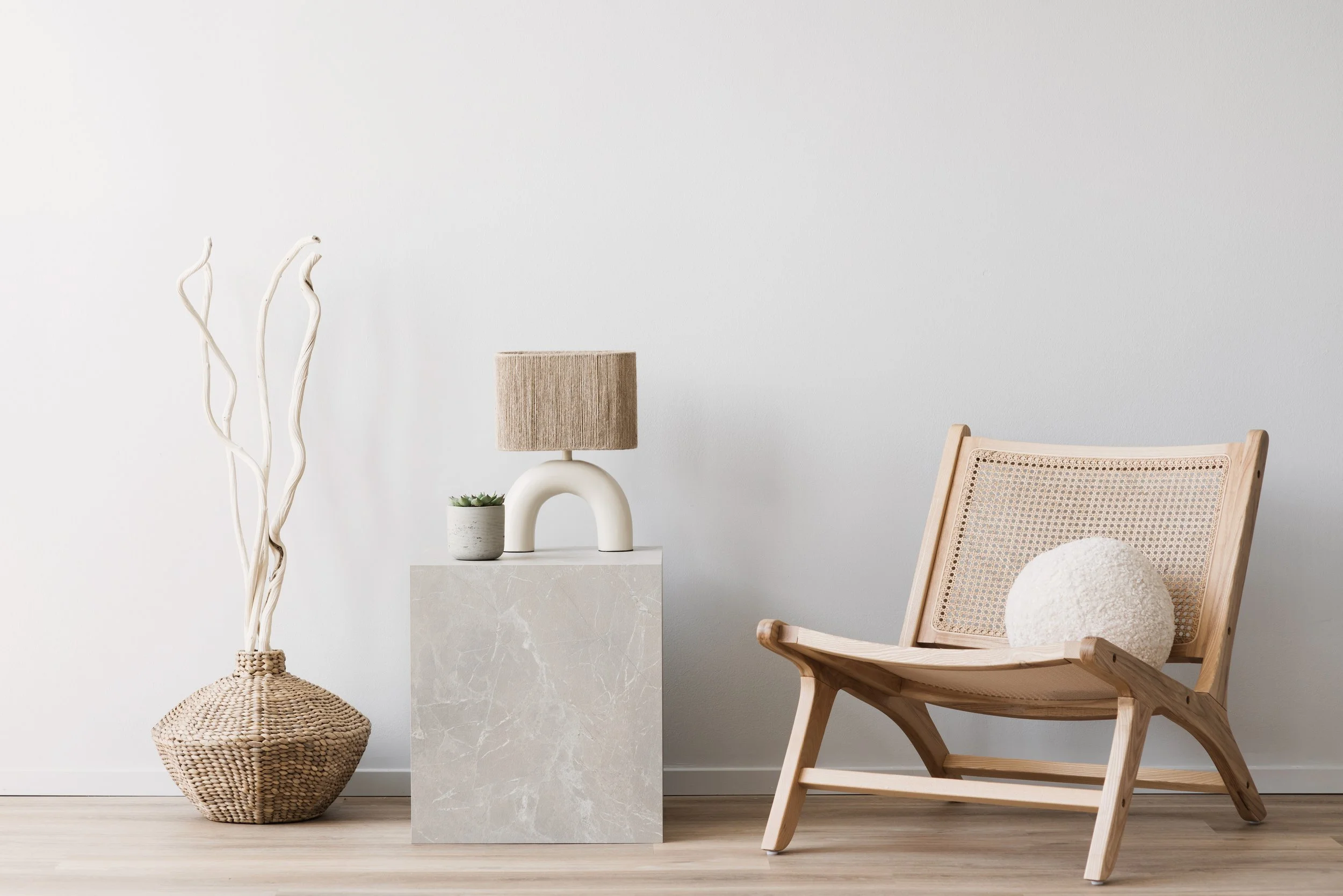
Moving to Tokyo is exciting — until you step into your empty apartment and realize you have… nothing. No couch. No bed frame. No cutlery. Not even a trash can. And unlike back home, you can’t just default to one giant big-box store and call it a day. Furniture shopping in Tokyo as a foreigner comes with its own quirks: compact spaces, limited storage, delivery rules, narrow elevators, and design aesthetics that may or may not align with your Pinterest board.
So here’s your no-fluff guide to where to buy furniture in Tokyo as a foreigner — from budget basics to design-forward statement pieces.
1. Nitori
Best for: Affordable basics and everyday essentials
If you just landed in Japan and need to get your life functional fast, this is your starting point.
Often described as “Japan’s IKEA,” Nitori is cheap, cheerful, and incredibly practical. It’s not luxury — and it’s not trying to be — but it has everything you need to get your daily life up and running:
Beds and mattresses
Sofas and tables
Curtains (very important in Japan)
Kitchen tools
Trash cans (don’t underestimate how hard these can be to find elsewhere)
Storage solutions for tiny closets
The aesthetic leans simple and neutral, and while you probably won’t find heirloom-quality pieces here, it’s perfect for:
First apartments
Short-term expat stays
Filling in practical gaps
Pro tip: Measure your space carefully. Japanese apartments are smaller than you think, and scale matters more than style at first.
2. Muji
Best for: Minimal design and smart storage
Muji is the global ambassador of Japanese minimalism — clean lines, natural materials, and that calming “nothing extra” feeling. For foreigners living in Tokyo, Muji is especially useful because it understands small spaces better than anyone.
What they do exceptionally well:
Modular shelving systems
Stackable storage
Under-bed drawers
Compact desks
Linen bedding and towels
Subtle home fragrances
If your apartment feels chaotic or cramped, Muji can help bring visual clarity. Their storage solutions are intelligently designed for Japanese-sized rooms, which makes them ideal for 1K and 1LDK layouts. It’s not ultra-luxury, but the materials feel considered and the design is consistent. Think understated, not flashy.
3. Actus
Best for: Elevated, curated, design-forward pieces
When you’re ready to move beyond functional and start creating a home with personality, Actus is where things get interesting.
This is my go-to for:
Sculptural vases
Statement lighting
Beautifully crafted side tables
Elevated decor objects
Actus carries both Japanese and European brands, and the curation feels intentional. The pieces aren’t cheap — but they’re the kind that make your space feel layered and designed rather than assembled. If Nitori gets your life started and Muji organizes it, Actus is what makes your home feel sophisticated.
For expats planning to stay long-term, investing in a few well-chosen pieces from Actus can transform a standard Tokyo apartment into something personal and refined.
4. Keyuca
Best for: Kitchenware and everyday lifestyle goods
Keyuca is one of those quietly excellent Japanese brands that doesn’t get enough attention.
They shine in:
Dishes and glassware
Cooking utensils
Custom curtains
Towels
Bathroom accessories
Simple storage items
The design is clean and modern, but warmer than Muji. It’s the kind of place where you’ll find beautifully proportioned plates and thoughtfully designed kitchen tools that feel good in your hands. If you care about daily rituals — cooking, hosting, morning coffee — Keyuca is a smart upgrade from purely utilitarian basics.
5. Flymee
Best for: Making your aesthetic vision a reality
Flymee is an online platform with an enormous range of domestic and imported furniture and home goods.
If you:
Have a specific aesthetic in mind
Want something less generic
Are looking for statement furniture pieces
…this is where you’ll likely find it.
From contemporary Japanese brands to European-inspired pieces, Flymee offers variety that physical stores often don’t. It’s especially useful if you’re designing intentionally and don’t want your apartment to look like everyone else’s.
Delivery times vary depending on the item, so plan ahead if you’re working with a move-in timeline.
How to Choose Where to Shop
Most expats don’t use just one store. A realistic setup often looks like this:
Nitori for functional essentials
Muji for storage and linens
Keyuca for kitchen upgrades
Actus for statement pieces
Flymee for unique furniture finds
Tokyo furniture shopping works best when layered. Start practical. Then refine.
Final Thoughts: Don’t Let the Apartment Win
Japanese apartments aren’t designed for foreigners. The layouts are compact. The closets are minimal. The lighting can be harsh. The proportions are different from what you’re used to. But once you understand where to shop — and how to combine practicality with intention — you can create a home that feels calm, functional, and distinctly yours.
Most people assume they just need “better furniture.” What they actually need is a strategy. Because in Tokyo, scale, layout, storage, and cultural nuance matter just as much as aesthetics. The right pieces in the wrong proportions will still feel off. The right store without a clear plan will still feel chaotic.
If you’re relocating, upgrading, or simply tired of feeling unsettled in your own home, I work with international clients in Tokyo to design spaces that feel intentional, elevated, and livable — not just Pinterest-worthy. From layout planning and sourcing to full-home styling and organization, my approach bridges cultures and translates your lifestyle into a space that actually supports it.
If that sounds like what you need, you can get in touch here → Inquire
Let’s make your Tokyo apartment feel like home — not temporary housing.