
Why Japanese Apartments Feel Hard to Live In (and It’s Not Your Fault)
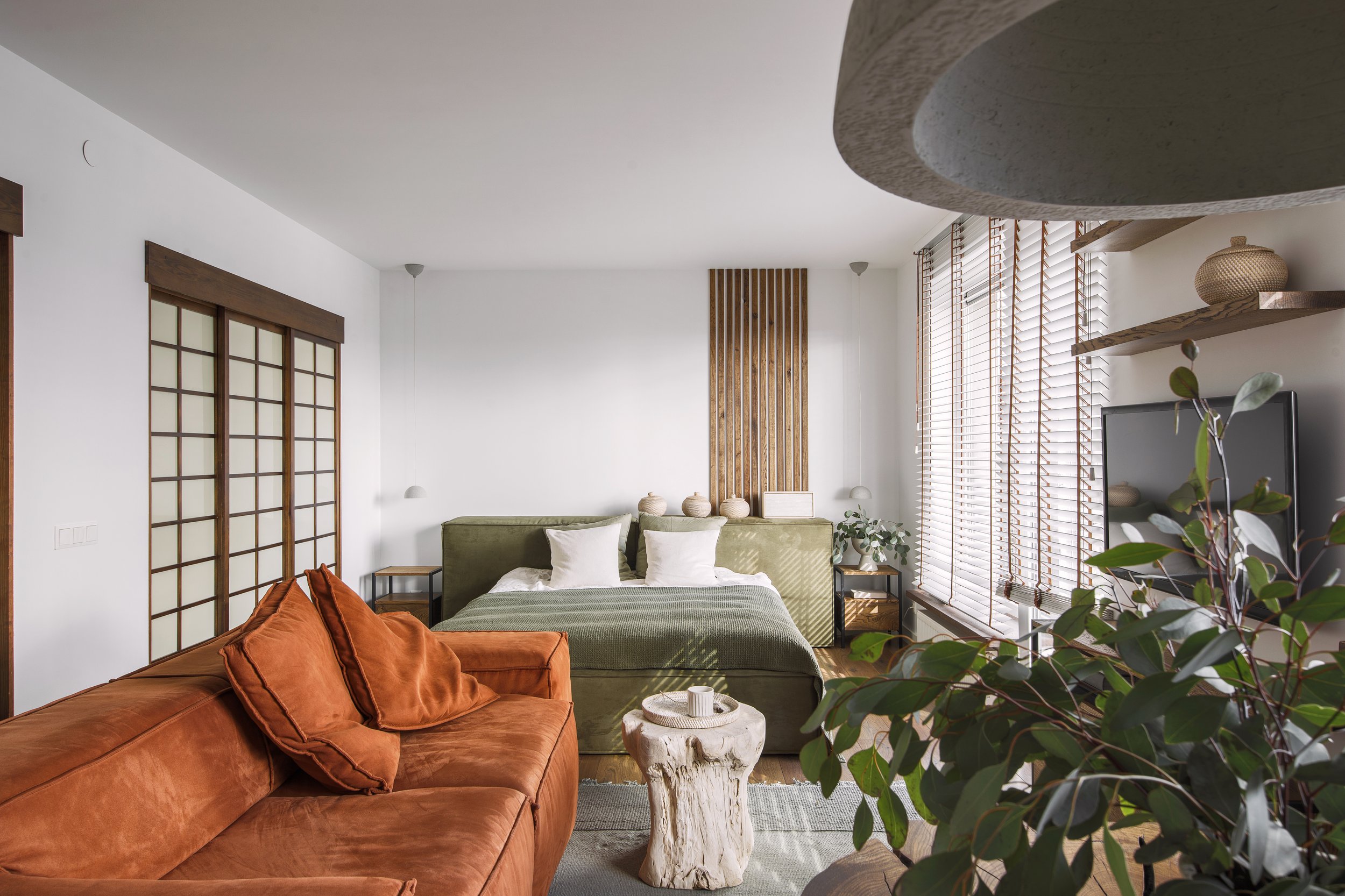
If you’ve ever found yourself thinking, “Why does living here feel harder than it should?”—you’re not alone. I hear this from expats all the time. People who are otherwise competent, adaptable, and successful suddenly feel unsettled at home. Things don’t quite work. Daily routines feel clunky. There’s a low-level stress that’s hard to name, but always present. And almost always, they assume the problem is them. It’s not.
The quiet friction no one warns you about
Japanese apartments are often described as small, but size alone isn’t the real issue. Plenty of people live happily in compact spaces all over the world. What actually causes friction is misalignment—between how the space is designed and how you’re used to living. Storage is shallow and specific. Rooms are flexible rather than fixed. Furniture is expected to be light, minimal, and often temporary. Closets aren’t designed for bulky wardrobes. Kitchens assume a different rhythm of cooking. Even the way light enters a room reflects different priorities. None of this is “bad.” It’s just built around a lifestyle that may not be yours.
Living between two ways of using space
I grew up between Japan and the US, and living in both has made me especially aware of how cultural assumptions shape our homes. In the US, homes often prioritize comfort, abundance, and permanence. Bigger furniture, more storage, clearer room functions. There’s an assumption that you’ll stay put, accumulate, and spread out. In Japan, homes are designed around efficiency, flexibility, and impermanence. Space is meant to adapt. Belongings are edited regularly. Rooms change purpose depending on the time of day or stage of life. When you bring one set of habits into a space designed for another, things start to feel off—not dramatically, but enough to wear you down over time.
Why “just be more minimal” doesn’t work
A common piece of advice is to simply embrace minimalism. But for many expats, that advice feels dismissive or unrealistic. Minimalism isn’t a universal solution—it’s a cultural practice shaped by context. Without adjusting systems (storage, furniture scale, layout, daily flow), asking someone to just “own less” often leads to frustration rather than calm. The issue isn’t clutter. It’s fit. A home should support how you actually live—not how you think you should live in order to make the space work.
Homes are systems, not rooms
One thing I’ve learned through my own experience—and through working with others—is that a home isn’t a collection of rooms. It’s a system. When that system doesn’t match your lifestyle, even small things become exhausting:
where bags land when you come home
where laundry lives between washing and folding
how many steps it takes to cook a meal
whether there’s a place to rest without feeling “in the way”
These details don’t show up in photos, but they shape how you feel every day. When the system starts to align, something shifts. People describe feeling calmer, lighter, more settled—often without being able to point to one dramatic change.
It’s okay to unlearn before you redesign
One of the hardest parts of settling into a home in Japan is letting go of the idea that there’s a single “right” way to live here. You don’t need to fully adopt Japanese living norms. You also don’t need to recreate your life back home exactly as it was. Most people land somewhere in between—and that middle ground is worth designing for. Creating a sense of home in Japan often starts with unlearning assumptions about space, comfort, and organization, then rebuilding in a way that reflects your life now.
A gentle note if this resonates
If you’re living in Japan and your home feels harder than it should, there’s nothing wrong with you—and nothing wrong with the apartment either. It may just need to be translated. I work with expats in Japan on interior design and home organization, helping them create calm, functional homes that fit their lives here. If this piece resonated and you’d like support, you’re welcome to reach out. Sometimes, a small shift makes all the difference.