
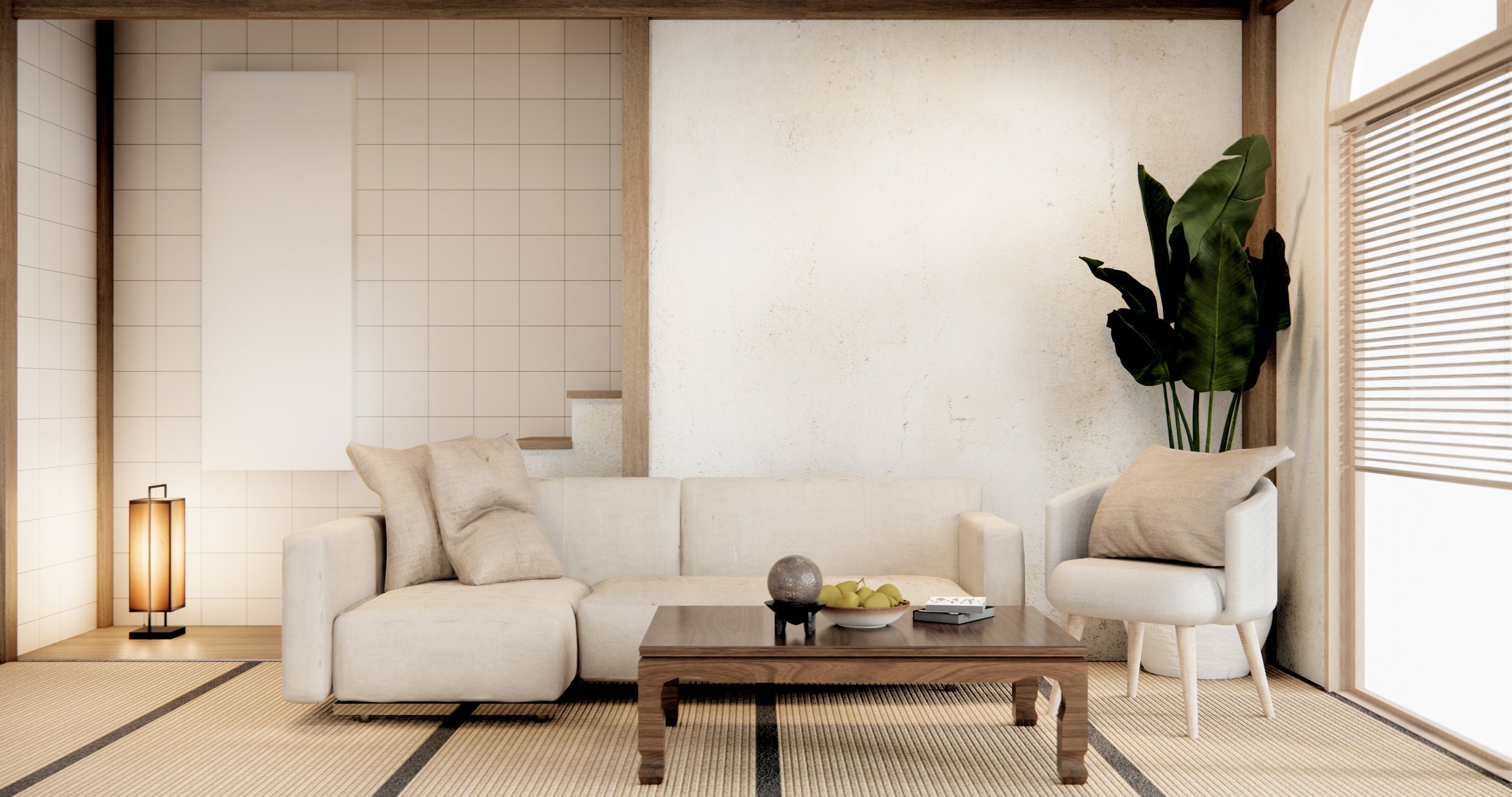
I’m currently apartment hunting in Tokyo. And if you’re a foreigner who’s done this before, you already know: On paper, everything looks great. 3LDK. Enough bedrooms. Close to the station. Recently renovated. Then you walk in… and something feels off.
The bedroom technically “fits” a queen bed — but only if you never open the closet. The living room is open concept — but there’s no logical place for a real sofa. There’s storage — but nowhere for the things you actually own. It’s not that Japanese apartments are bad. They’re just designed for a different lifestyle. And this is where design becomes everything.
The Real Issue Isn’t Size — It’s Translation
Japanese homes are optimized for:
Compact furniture
Minimal wardrobes
Futon culture
Seasonal rotation
Efficiency over spatial drama
Many foreigners, on the other hand, prioritize:
Larger beds
Defined living spaces
Hosting-friendly layouts
Visible storage
Furniture that anchors a room
So what happens? You import Western-sized furniture into a Japanese spatial logic… and the whole thing feels wrong. Not because the apartment is wrong. Not because your taste is wrong. But because the space was never interpreted properly.
Bedroom Math vs. Bedroom Reality
A 10sqm room might technically fit a queen mattress.
But will it fit:
A bed frame?
Side tables?
Space to walk?
Closet door clearance?
Most people look at square meters. Designers look at wall length, sight lines, door swing, and circulation flow. That difference is what determines whether your bedroom feels calm — or claustrophobic.
The Awkward Living Room Problem
Japanese LDKs are often long and narrow. Which means:
The TV wall dictates everything
The dining table eats into sofa space
The layout forces compromises
Most people move in and “make it work.” But strategic furniture selection changes everything. The right sofa depth. The right leg profile. The right table shape. The right visual weight. Suddenly, an awkward room feels intentional.
Why Organization Is Not Optional in Japan
In many countries, space forgives clutter. In Japan, it exposes it. There’s rarely:
A linen closet
A pantry
A laundry room
A walk-in wardrobe
Which means storage must be integrated into the design — not added as an afterthought. When foreigners move into Japanese homes without rethinking organization systems, they end up feeling like the apartment is too small. Often, it’s not too small. It’s just not strategically set up.
Design as Cultural Bridge
This is the part no one talks about. Interior design in Japan isn’t about aesthetics alone. For foreigners, it’s about translation. Translating:
Western furniture scale into Japanese layouts
Global lifestyle expectations into compact spatial logic
Emotional comfort into functional efficiency
When done right, the same 2LDK that felt impossible can feel expansive. Not because the apartment changed. But because the interpretation did.
What I’ve Learned While Apartment Hunting
Now, when I view a property, I don’t just ask: “How big is it?” I ask myself:
Where will the visual anchor go?
What’s the longest uninterrupted wall?
Can storage be built vertically?
Is the dining table round or rectangular?
Does the bed need to float or sit against a wall?
Design decisions are made before the lease is signed. That’s the difference.
The Bigger Truth
Foreigners often think the frustration is about Japan. But it’s really about mismatch. If you understand both systems — Japanese spatial design and Western furniture/lifestyle habits — you can bridge the gap. And when you do, even a “small” apartment can feel calm, intentional, and elevated. That’s not decoration. That’s strategy.
If you’re currently navigating apartment hunting in Tokyo and struggling to imagine how your life will fit into these layouts — this is exactly the kind of problem I help solve. Because in Japan, design isn’t luxury. It’s adaptation.