
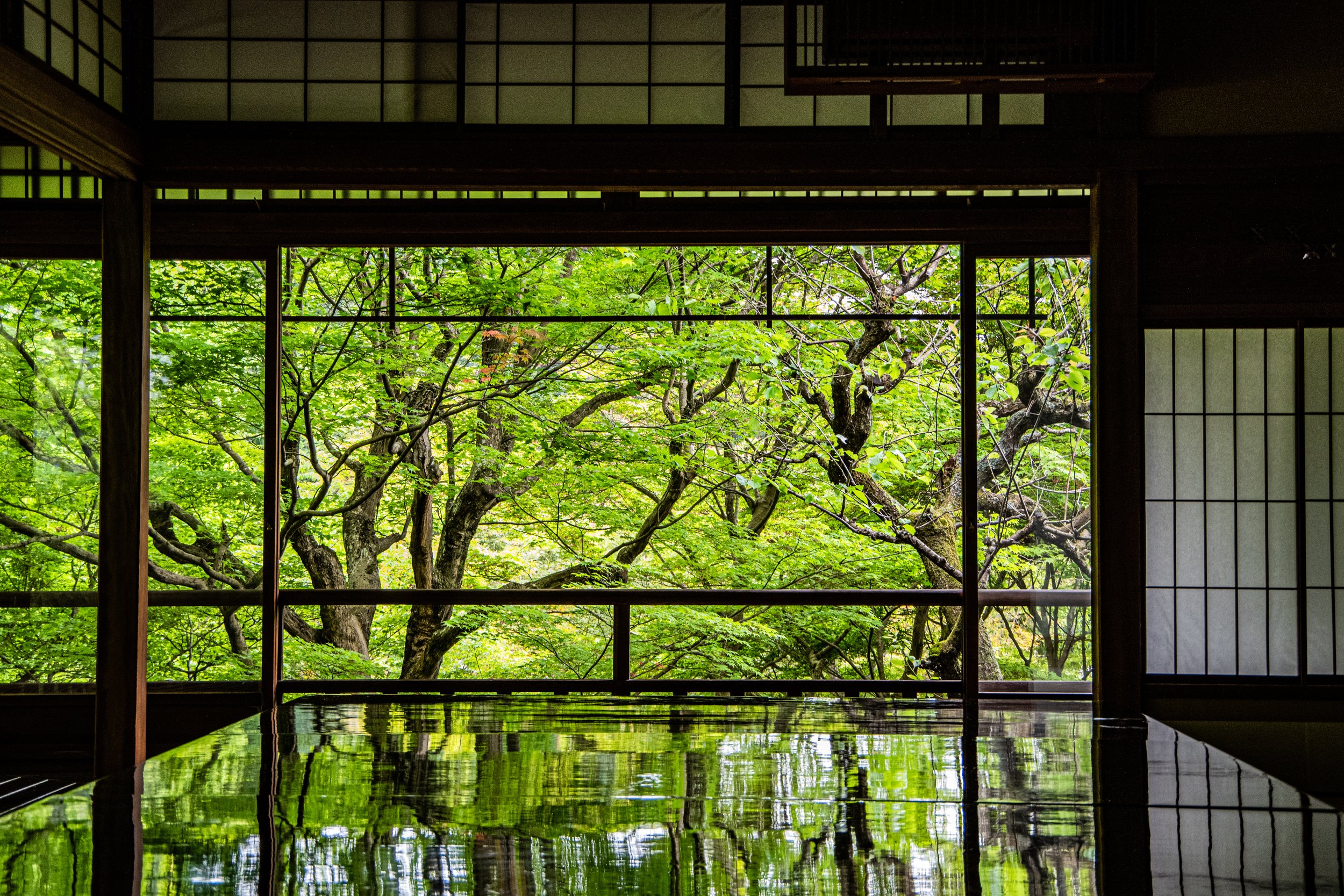
In Japan, the arrival of spring is not treated as a background event. It is noticed, anticipated, and woven into everyday life. The first warmer afternoon, the appearance of plum blossoms, the softening light in the late day sky—these subtle changes are observed closely and often reflected indoors as much as outdoors. Seasonal awareness is deeply embedded in Japanese culture, and for centuries it has influenced not only food and clothing, but also design, decoration, and the objects people choose to live with.
This sensitivity to the seasons is one reason Japanese interiors can feel so alive. A room may be calm and minimal, yet never static. It changes gently throughout the year.
The Tradition of Seasonal Display
Historically, homes, inns, tea rooms, and restaurants would adjust small details with each season. These were not dramatic redesigns, but thoughtful shifts that acknowledged the moment in time.
In spring, a tokonoma alcove might display a hanging scroll featuring blossoms, birds, misty mountains, or a poem about renewal. A ceramic vase may hold fresh branches of plum or early cherry blossoms. Cushions, tableware, and textiles could transition to softer tones—pale pinks, fresh greens, light neutrals, or motifs inspired by petals, flowing water, or new growth.
These gestures signal something important: the home is in conversation with nature.
Why It Matters
In many parts of the world, interiors are designed to remain visually consistent year-round. In Japan, there has long been appreciation for impermanence and transition. Beauty is often found in the fleeting moment—the blossom that lasts only days, the first rain of spring, the brief window before summer heat arrives.
Bringing seasonal references into the home creates rhythm. It encourages attentiveness. Rather than chasing constant novelty, it offers a quieter kind of refresh: changing a branch in a vase, rotating ceramics, replacing heavier fabrics, introducing lighter textures, or displaying artwork that reflects the season.
The result is a home that feels grounded in time and place.
Spring as Design Inspiration Today
You do not need a traditional Japanese house or formal alcove to apply this mindset. The principle is simple: let your space acknowledge the season.
As spring arrives, that might mean opening the room visually and emotionally. Store heavier blankets. Bring in fresh flowers or budding branches. Use glassware that catches light. Choose linens with softer texture. Swap darker objects for lighter woods or ceramics. Even a single seasonal detail can shift the atmosphere of a room.
It is less about decoration and more about awareness.
Living With the Seasons
One of the most compelling aspects of Japanese design is that it often asks us to notice what is already happening. Spring is arriving whether we mark it or not. The question is whether our homes reflect that change.
A space that evolves with the seasons feels more human, more connected, and more alive. In that sense, good design is not only about how something looks—it is about how it helps us experience time.