
Why Japanese design feels different
There’s a certain feeling you get when you step into a thoughtfully designed Japanese space. It isn’t just that it looks beautiful—it feels composed, quiet, almost like it’s asking less of you. In a world where design often competes for attention, Japanese design seems to do the opposite. It recedes. And that’s precisely why it stands out.
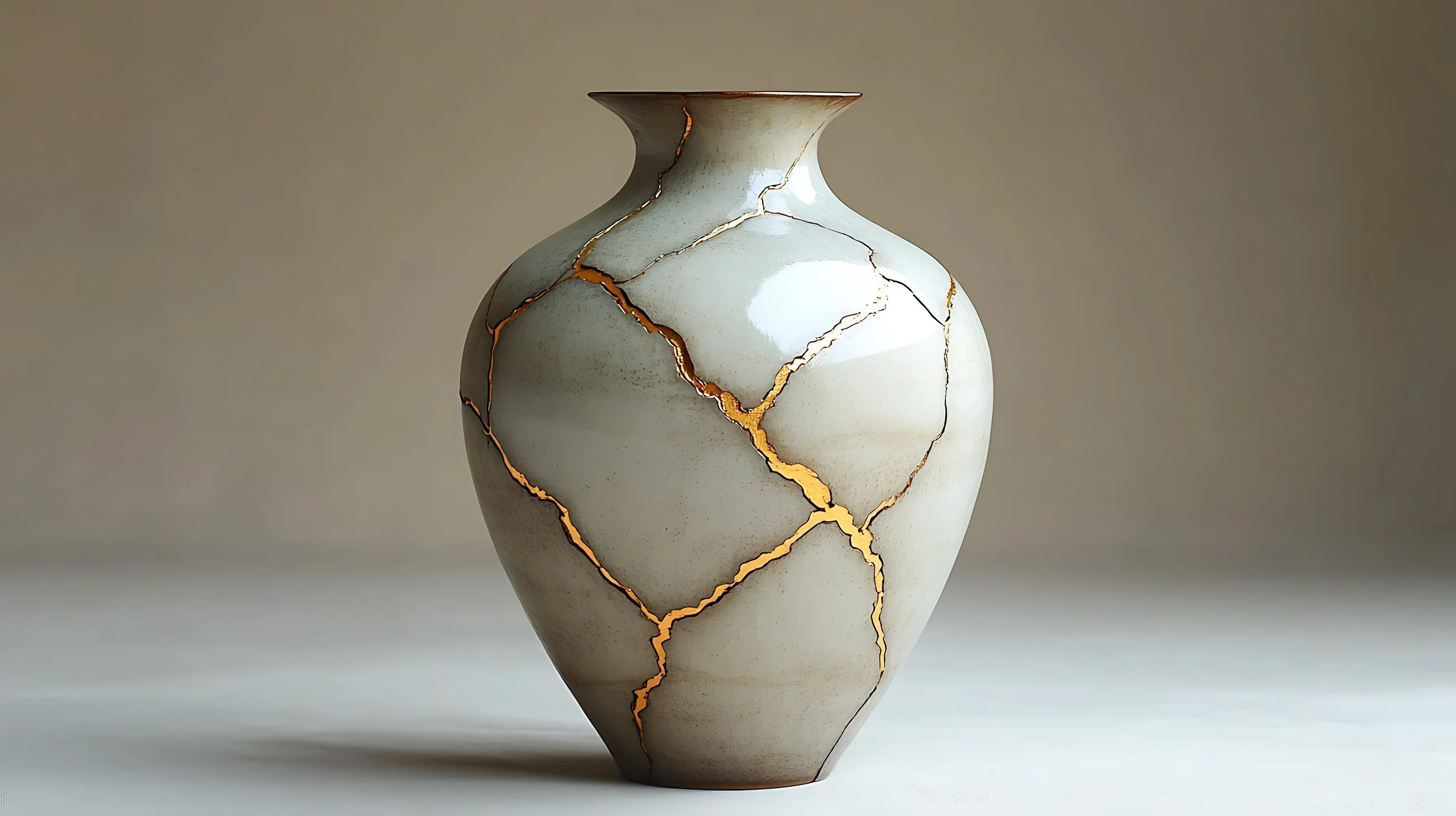
At the heart of this difference is philosophy. Concepts like wabi-sabi and ma aren’t just abstract ideas—they actively shape how spaces are created and experienced. Wabi-sabi embraces imperfection and impermanence: the subtle crack in a ceramic bowl, the uneven grain of wood, the fading of fabric over time. These aren’t flaws to be hidden, but qualities that give objects depth and story. In contrast to design cultures that prioritize polish and perfection, this creates a quieter kind of beauty—one that unfolds slowly.
Ma, often translated as “negative space,” is less about emptiness and more about intention. It’s the pause between objects, the breathing room within a space. In Japanese interiors, what isn’t there matters just as much as what is. This restraint allows each element—a chair, a vase, a beam of light—to exist fully without competing for attention. The result is a kind of visual calm that feels almost instinctive.
This philosophy extends beyond aesthetics into how spaces are used. Japanese design tends to prioritize flexibility and lived experience over rigid function. A single room might serve multiple purposes throughout the day, with furniture that can be moved, folded, or stored away. It reflects a sensitivity to daily rhythms rather than imposing a fixed way of living. There’s an understanding that a home isn’t static—it shifts with you.
Materiality also plays a crucial role. Natural materials like wood, paper, stone, and linen are used not just for their appearance, but for how they age. Over time, they soften, deepen, and carry traces of use. This creates a relationship between the space and the person living in it—a subtle dialogue between object and life. It’s not about preserving things in perfect condition, but allowing them to evolve.
Another layer is cultural. In Japan, design is deeply intertwined with respect—for nature, for craftsmanship, for other people. You see it in the way light is considered, how seasons influence interiors, and how even small details are treated with care. A simple object isn’t just functional; it’s part of a broader atmosphere. This attentiveness gives Japanese spaces a sense of cohesion that can feel almost intangible.
Ultimately, what makes Japanese design feel different isn’t any single element—it’s the mindset behind it. It values restraint over excess, depth over display, and feeling over form. It’s less about creating something impressive, and more about creating something that feels right.
And maybe that’s why it resonates so strongly. Not because it’s minimal, or trendy, or distinctly “Japanese,” but because it offers something increasingly rare: space to breathe.