
The Difference Between Aesthetic and Atmosphere
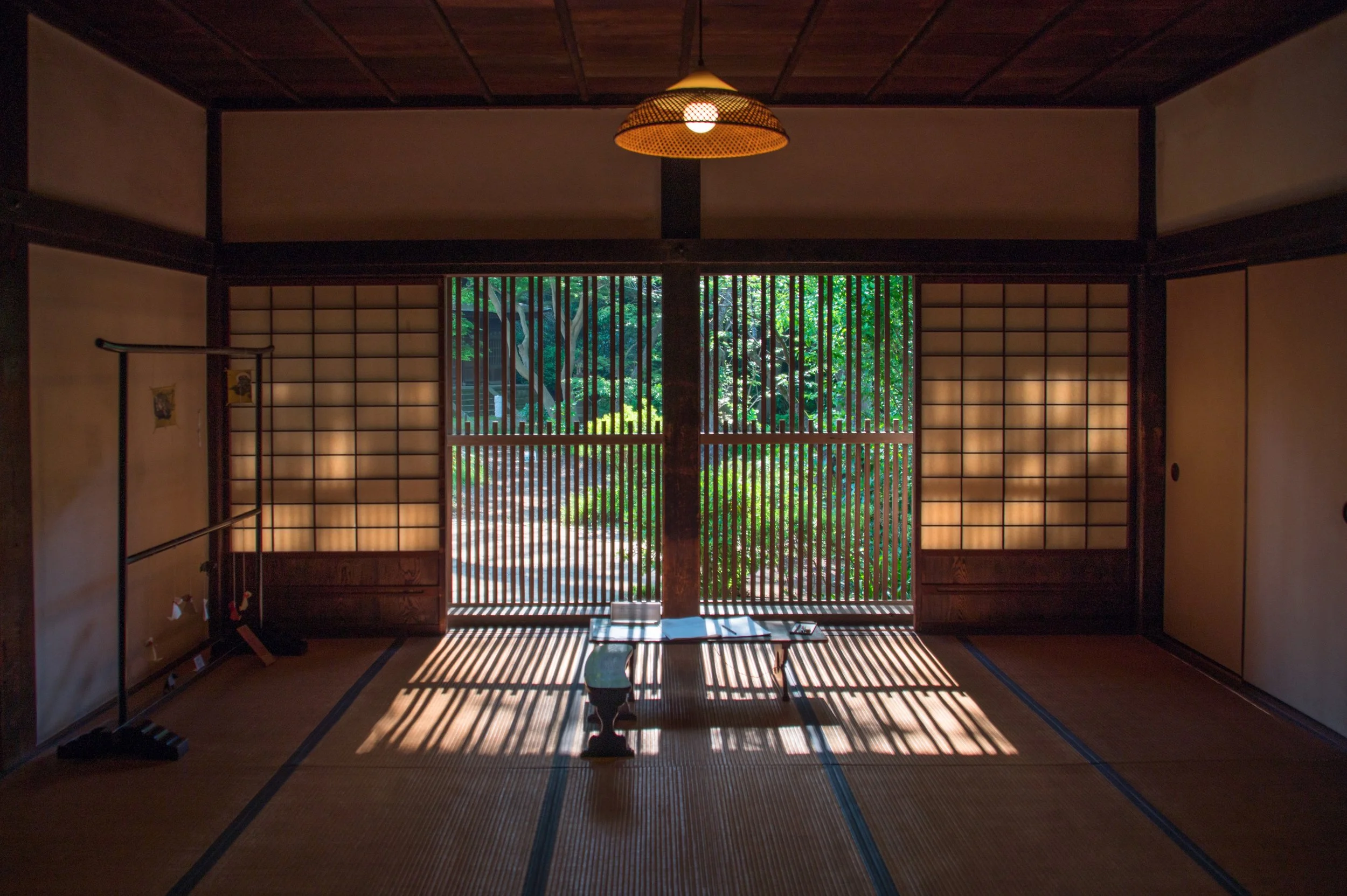
There’s a difference between a space that looks good and a space that feels good. It’s subtle, but once you notice it, it’s hard to ignore.
Some spaces are immediately impressive. Everything is considered—the furniture, the palette, the lighting. They photograph well, and you can easily imagine them saved somewhere as a reference point. But when you spend time in them, something feels slightly off. Not in a way that’s obvious or easy to name, just a sense that the space is complete visually, but not fully alive.
I’ve started to think of that difference as the gap between aesthetic and atmosphere.
Aesthetic is what you see. It’s the composition of a space, how elements come together in a way that feels intentional and visually coherent. Atmosphere, on the other hand, is harder to define. It’s shaped by things that are less immediate—the way light shifts throughout the day, how materials wear over time, the presence or absence of sound, even the way a space holds stillness. None of these are particularly striking on their own, but together they influence how you feel in a way that’s difficult to replicate artificially.
Living in Tokyo made me more aware of this distinction. It’s not that every space here is visually beautiful—in many cases, they’re quite simple, even understated. But there is often a quiet sense of intention behind them. A small restaurant with worn wood counters that feel better with age. An apartment where the quality of morning light becomes part of the daily rhythm. Objects that are designed to be used and lived with, rather than just displayed.
What stands out is that nothing feels overly composed. There’s a kind of coherence that comes from use rather than from styling, and it creates a sense of ease that’s difficult to manufacture.
By contrast, many spaces feel designed primarily for how they will be seen. They’re optimized for a moment—a photograph, a first impression—rather than for the experience of living in them over time. And while that kind of aesthetic clarity can be compelling at first, it often doesn’t hold up. The space looks resolved, but it doesn’t necessarily invite you to stay.
Atmosphere tends to emerge more slowly. It isn’t something that can be assembled all at once or achieved through a single set of decisions. It develops through accumulation—through how a space is used, adjusted, and inhabited over time. It comes from choosing things not only for how they look, but for how they function, how they age, and how they fit into the rhythm of daily life.
Lately, I’ve found myself thinking less about how a space presents itself, and more about how it feels to return to it at the end of the day. Whether it creates a sense of calm without trying to impose it. Whether it holds your attention, or allows it to settle.
That distinction—between something that is visually complete and something that is genuinely lived in—is subtle, but it changes the experience of a space entirely.