
The Quiet Luxury of Everyday Life in Tokyo
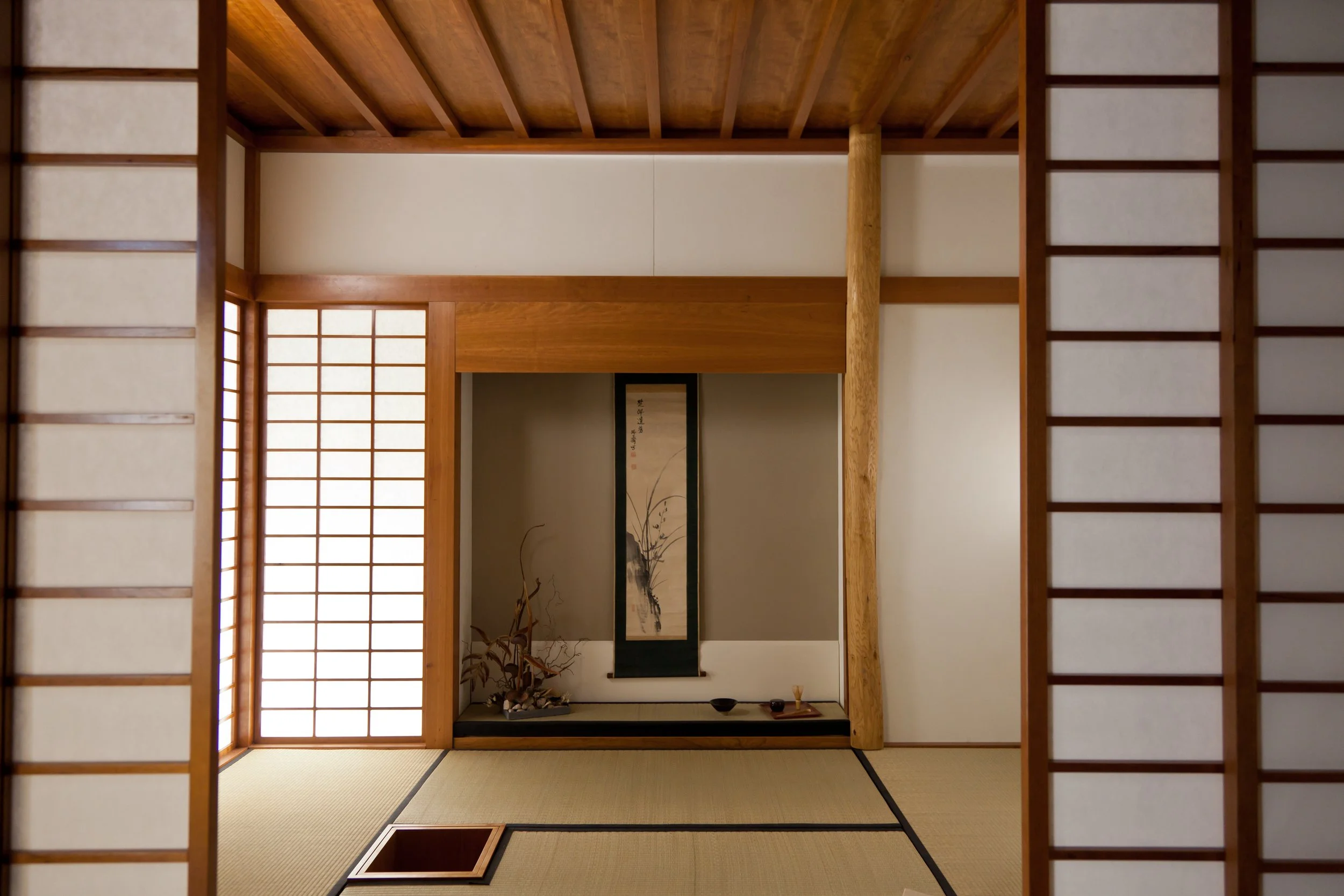
Luxury is usually defined by scale: larger homes, more possessions, bigger kitchens, more space. By that definition, Tokyo shouldn’t feel luxurious at all. Apartments are compact, storage is limited, and square meters are precious. And yet, many people who live here eventually notice something surprising. Despite the density of the city—and despite the size of most homes—life in Tokyo can feel remarkably calm. That feeling isn’t just about aesthetics. It comes from a deeper philosophy that quietly shapes how spaces in Japan are designed and experienced.
Design That Prioritizes Harmony
In many Western design traditions, interiors are often about expression. A room reflects personality through color, statement pieces, and decoration. Japanese design tends to approach space differently. Rather than asking how a room can stand out, the focus is often on how a space can feel balanced. This balance is subtle. Materials tend to be natural or muted. Furniture sits lower to the ground. Sight lines are kept relatively open. Objects rarely compete for attention.
But the calmness people feel in Japanese interiors isn’t simply the result of neutral colors or minimalist styling. It comes from the idea that a space should support daily life quietly rather than dominate it. In other words, good design is meant to disappear into the background.
The Space Between Things
One concept that helps explain this philosophy is the Japanese idea of 間 (ma), often translated as “the space between.” Rather than filling every corner of a room, Japanese design tends to respect empty space. That emptiness isn’t seen as wasted—it’s considered part of the composition.
When space is allowed to breathe, the objects within it gain clarity. A single piece of furniture or a simple arrangement of objects can feel more intentional because it isn’t surrounded by visual noise. This principle appears everywhere in Japan, from traditional architecture to modern apartments and even retail environments. The result is a feeling of quiet order that’s hard to replicate through decoration alone.
Calm Through Restraint
Another subtle difference is restraint. In many places, comfort is often equated with abundance: more storage, more furniture, more options. Japanese interiors tend to take the opposite approach. Instead of adding more elements, the design process often involves removing what isn’t necessary. The result is not emptiness for the sake of minimalism, but clarity. When there are fewer visual distractions, the mind relaxes. Movement through the space becomes easier. Daily routines feel smoother. It’s a small shift, but it changes how a home feels to live in.
Everyday Design, Not Just Architecture
What’s interesting is that this philosophy isn’t limited to high-end architecture or carefully curated interiors. It quietly influences everyday spaces across Japan. Small restaurants often have simple layouts where every element has a purpose. Convenience stores are arranged with remarkable efficiency. Even the way seasonal products appear and disappear throughout the year reflects a certain sensitivity to rhythm and balance. These decisions create environments that feel intentional without announcing themselves as “designed.” You might not consciously notice it, but you feel it.
A Different Definition of Luxury
Over time, living in Japan can subtly change how you think about space. Luxury stops being about having more things or more room. Instead, it becomes about how thoughtfully a space functions. It’s the feeling that everything has its place, that movement is easy, that nothing feels unnecessarily chaotic. In that sense, the calmness people often associate with Japanese interiors isn’t simply an aesthetic trend. It’s the result of a philosophy that values harmony, restraint, and the careful relationship between objects and the space around them. And in a dense city like Tokyo, that philosophy turns even small spaces into something that feels quietly luxurious.
______
If you want to think about designing your own space with these ideals in mind, reach out. I specialize in helping people living in Japan translate their lifestyles into interior design that feels calm, functional, and inviting.