
Empty Rooms Are Harder to Design Than You Think
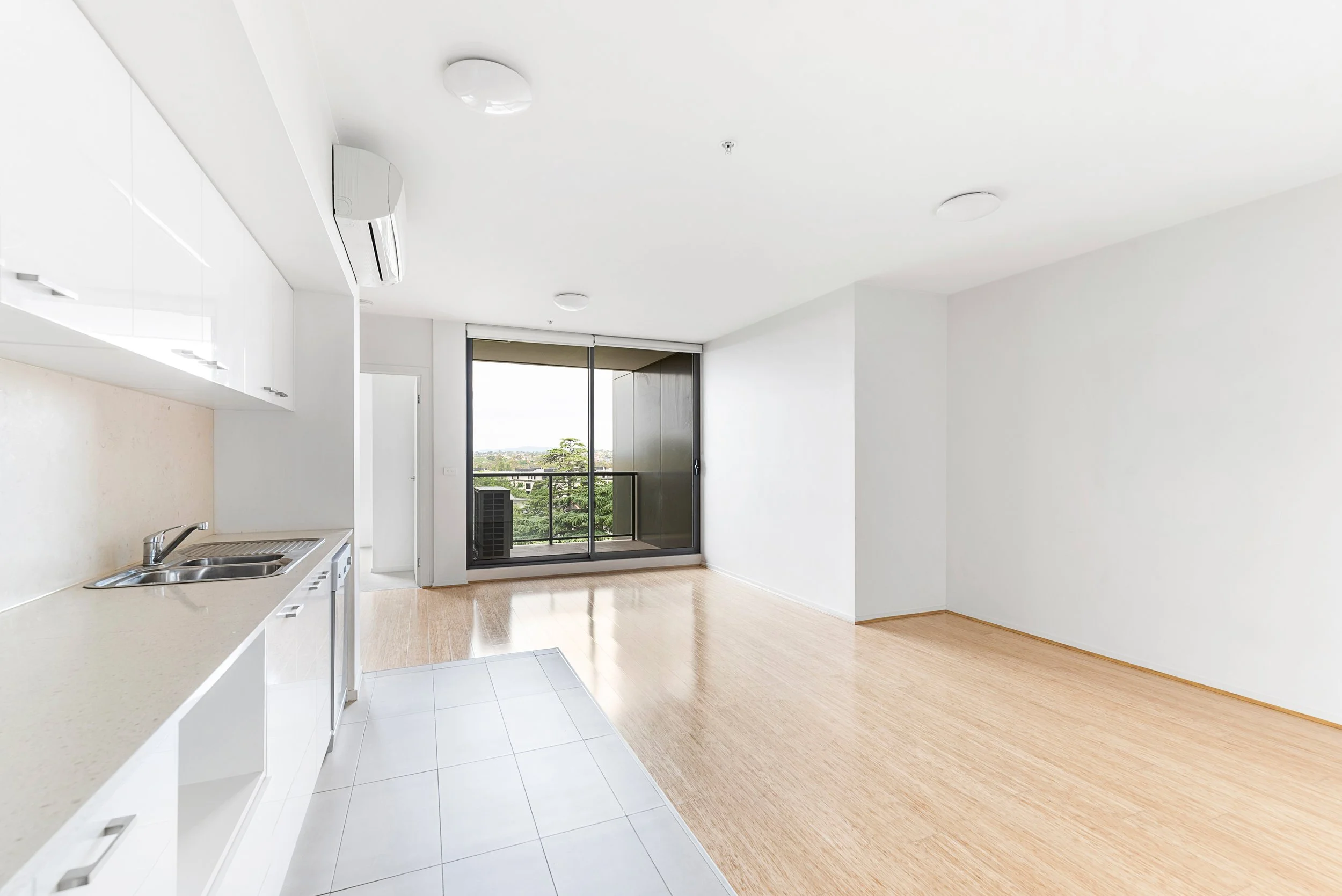
There’s a moment that happens to almost everyone after moving into a new apartment. The boxes are gone, the space is clean, and for the first time, you’re standing in a completely empty room. It feels full of possibility—calm, open, almost aspirational. And then nothing happens.
Weeks pass, sometimes months, and the room remains in a strange in-between state. Maybe a temporary chair appears, or a table that doesn’t quite belong. The space never quite comes together, not because of a lack of effort, but because something about the process feels unexpectedly difficult. It turns out that empty rooms are far more challenging to design than they seem.
At first glance, it feels like it should be simple. You just need a sofa, a table, maybe a bed, some storage. But what most people quickly realize is that the difficulty isn’t in finding furniture—it’s in making decisions. Every choice feels consequential because there’s nothing else in the room to balance it. A single piece can define the entire space, for better or worse. This is where people tend to get stuck.
Without an existing structure to respond to, the number of possibilities becomes overwhelming. Where should the sofa go? Should the bed face the window or the wall? Is there space for a dining table, or will it make the room feel cramped? Even something as simple as choosing the right size rug can feel like a high-stakes decision when there’s no visual context to guide you.
In many Tokyo apartments, this challenge is even more pronounced. Layouts are often compact and highly specific, with limited flexibility in how a space can be used. A wall might be too short for a standard sofa, a bedroom too narrow for a larger bed, or a living area shaped in a way that doesn’t intuitively accommodate both dining and lounging. What looks like an open canvas is, in reality, a set of quiet constraints.
The instinct for many people is to start buying pieces one by one, hoping the room will slowly come together over time. But more often than not, this approach leads to a space that feels disjointed. Each item may work on its own, but without a cohesive plan, the room lacks a sense of intention. It feels like a collection of objects rather than a place designed for living. What’s missing is not taste or effort—it’s structure.
Designing a room well requires making decisions in a specific order, even if that order isn’t immediately obvious. Before thinking about what to buy, it’s important to understand how the space is meant to function. How do you actually live day to day? Do you work from home? Do you host people often, or is the space primarily for quiet, personal use? Where do you naturally gravitate when you enter the room?
These questions shape the foundation of the layout, which in turn determines everything else. Once the layout is clear, furniture choices become far less overwhelming. Instead of asking “What do I like?”, the question becomes “What fits here, both physically and functionally?”
This shift makes the process more grounded. It removes a lot of the guesswork that leads to hesitation and second-guessing.
Another reason empty rooms are difficult is that they lack scale. Without furniture, it’s surprisingly hard to judge proportions accurately. A space can feel larger or smaller than it actually is, which often leads to purchasing pieces that are either too big or too small. This is one of the most common reasons rooms feel “off” even when everything in them is technically well-designed.
Professionals rarely rely on instinct alone in these situations. They map out layouts, measure carefully, and consider how each element relates to the whole before anything is purchased. It’s not about overthinking—it’s about creating clarity before committing.
There’s also a psychological layer to empty spaces that people don’t often talk about. An unfinished room carries a kind of low-level tension. It’s a reminder that something is incomplete, which can subtly affect how you feel in your own home. At the same time, the desire to “get it right” can create pressure that leads to inaction.
This is why so many spaces remain half-finished. Not because people don’t care, but because they care enough to hesitate.
In reality, designing a room isn’t about finding perfect pieces. It’s about creating a system where the space supports your life in a way that feels natural and intuitive. When that system is in place, the room begins to take shape more easily. Decisions feel less heavy, and the space starts to come together with a sense of coherence.
Empty rooms don’t need more inspiration. They need direction. And once that direction is clear, what once felt overwhelming becomes surprisingly straightforward.
If you’re starting with an empty space and feeling stuck, you’re not alone. Thoughtful layout planning and furniture selection can make the process far more intuitive—and the end result far more cohesive. If you need help, don’t hesitate to reach out.