
How to Create a Home That Feels Like You
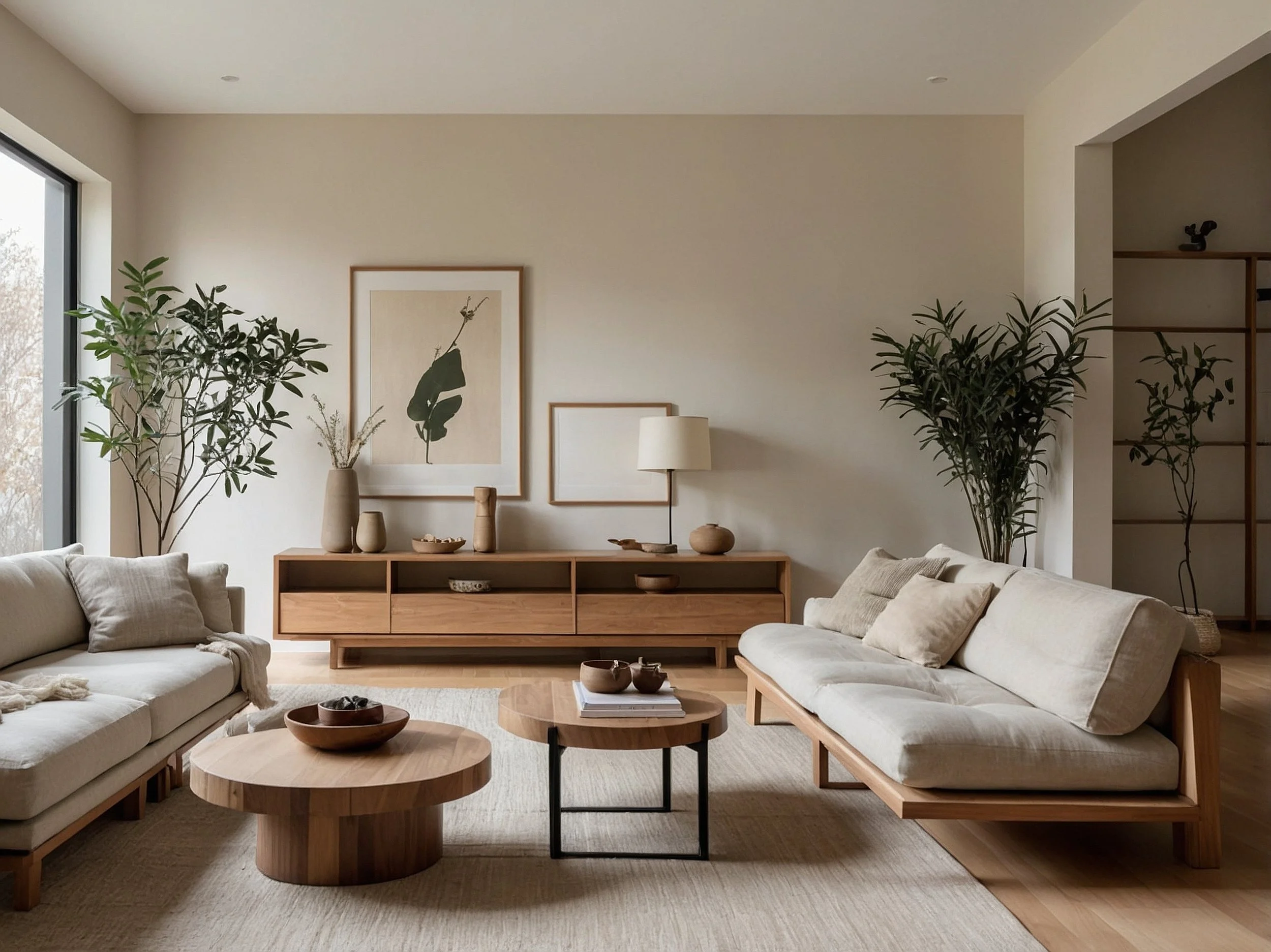
There’s a particular kind of excitement that comes with a new home—the clean slate, the possibility, the sense that everything can finally come together exactly the way you imagined. But that initial freshness, as energizing as it is, can also feel strangely impersonal. Blank walls, untouched surfaces, and perfectly arranged essentials often lack the one thing that actually makes a space feel like home: you.
Making a space your own isn’t about filling it quickly or perfectly. It’s about layering it slowly, intentionally, and with a sense of curiosity. The most compelling homes aren’t the ones that look styled straight out of a catalog—they’re the ones that feel collected, where every object carries some weight, whether emotional, aesthetic, or even just a quiet sense of rightness.
Art is often where this process begins. Not in the sense of needing to invest in something grand or expensive, but in finding pieces that genuinely resonate. A small print discovered in a tucked-away gallery, a photograph picked up during a weekend trip, or even a simple poster that caught your attention for reasons you can’t fully explain—these are the things that begin to shape the emotional tone of a space. Over time, they create a visual language that feels distinctly yours, something no one else could replicate.
The same idea extends to everyday objects, especially those you interact with regularly. Dishware and glassware, for example, are often overlooked as purely functional, but they hold an incredible opportunity for expression. Across Japan, small local shops and independent makers produce pieces that carry subtle variations in texture, color, and form—details that mass-produced items rarely capture. A slightly uneven ceramic bowl, a hand-blown glass with tiny imperfections, a plate with a glaze that shifts depending on the light—these objects turn even the simplest meal into something more considered. They invite you to slow down, if only for a moment.
There’s also something meaningful about supporting the artisans behind these pieces. Traditional Japanese crafts, many of which have been refined over generations, embody a level of care and intention that’s increasingly rare. Bringing these objects into your home isn’t just a design choice; it’s a way of participating in a broader cultural continuity. It adds depth to your space, grounding it in something that exists beyond trends or fleeting aesthetics.
Travel naturally becomes another layer in this process. The objects you bring back—whether it’s a small ceramic dish from a countryside town, a textile from a local market, or even something as simple as a set of chopsticks—act as quiet reminders of where you’ve been. They don’t need to be overtly decorative or even particularly “special” in a traditional sense. Their value comes from association. Placed within your home, they create a subtle narrative, a collection of moments that exist alongside your daily life.
What’s often overlooked is how even the most mundane items contribute to this sense of identity. A humidifier, a kettle, a rice cooker—these are things you use every day, often without thinking. But when chosen with the same level of intention as anything else, they begin to shape the atmosphere of a space in a surprisingly significant way. The materials, the color, the form—these small decisions accumulate, creating a cohesion that feels effortless but is anything but accidental.
Ultimately, making a space your own isn’t about achieving a finished look. It’s about creating an environment that evolves with you, one that reflects not just your taste, but your experiences, your values, and the things you’re drawn to without fully knowing why. A new home may start as a blank canvas, but it’s the gradual process of collecting, choosing, and living that transforms it into something far more personal—something that, over time, feels unmistakably like yours.
I love to curate items that express a lifestyle and a point of view, and that’s why I made it my job. If you need help to make your space feel more “you”, don’t hesitate to reach out. I love to make beautiful, functional spaces that speak to each client.